


The creation of hip-hop marked a pivotal moment in the evolution of Black culture and entrepreneurship. Web3 is no different. You may have resisted at first but before you knew it you were rappin’ Boosie and 2 Chainz lyrics on the way to work.
In Web3, there is no systemic bias or hierarchy. The perils associated with Blackness and ownership won’t exist. Equality and equity are both real and actualized. Do you know what this means for Black entrepreneurs? The chains linked to the accessibility of credit and business finance are broken. Can Web3 eliminate systemic oppression for Black Americans? Quite possibly.
During a session at the ANA’s 2022 Digital and Social Media Conference, Albert Thompson, Managing Director of Digital Innovation for Walton Isaacson, gave an insightful presentation donned, “Why The Metaverse for Multicultural”. Watch his presentation in its entirety here. He offers several gems marketers and entrepreneurs can apply to their futures in Web3. “For people who are Black in this country, we’ve always had to exist in more than one world. There’s the corporate world, and there’s the world when we go to the cookout…Metaverse allows you to play with identity and that’s why the transition [from real to virtual worlds] will be seamless for us because [living in two realities] is what we’ve always had to do.”
I started writing again with the intention to inform, ignite and inspire marketers to take calculated risks in the name of digital innovation and to close the massive gap in business outcome achievement for women and BIPOC Founders.
I’ve worked in advertising since the year 2000, and not once until 2022 did I know August had become National Black Business Month – a time for recognizing Black business owners and acknowledging the challenges they face. If I’m giving it to you straight, 31 days celebrating Black entrepreneurs for persevering through business challenges they never would have experienced if the notion of ‘equality’ was true to its definition is revolting.
With nearly two trillion dollars in spending power and tremendous influence on global pop culture, Black consumers should be a priority for brands. And yet, ad spending focused on reaching Black audiences has declined over the past three years per MAGNA Global‘s May 2022 Consumer report The Black American Consumer.
What the internet did for people of color is identical to what Hip-Hop did for Black culture: force us to use technology as a medium to gather and share information. What search engines Google and Yahoo did was give us access to information and perspectives from all over the world. Regardless of education or socioeconomic status in real-time, anyone with access to the internet has access to knowledge. Anyone knowledgeable person has access to unlimited power and potential.
“Knowledge is Power, power provides information; information leads to education, education breeds wisdom; wisdom is liberation. People are not liberated because of lack of knowledge.” – Israelmore Ayivor
Social media platforms helped us discover, interact, connect with new people, reconnect with friends, and colleagues, and foster relationships with family while also allowing people to connect directly to businesses all over the world in real-time.
50 years ago, no one thought a rhythmic verbal storytelling art form born of Black lives and experiences could give birth to the most transformative genre in music industry history: Hip-Hop. Rap started gaining traction in small close-knit Black communities and then projected outward to capture affinity from all over the world. Like Hip-hop, the future of business is web3.
Web3 is the term used to describe a new, decentralized version of the internet where power sits with the people. Decentralization is the process of dispersing power away from a central authority – an impossible notion on a global scale – until now.
Our lives are increasingly connected via digital experiences. Tech entrepreneurs have the power to transform our lives with web3 technology. Innovating to the future means designing platforms and experiences for utility and usability. Case in point, metaverses. Metaverses are immersive, experiential, interconnected digital (3D) environments where users can live, work, shop, and play from anywhere. These experiences allow users to interact in digital spaces via augmented reality and virtual reality headsets. Everything we know and everything we can imagine in our real lives can be experienced in a metaverse but it won’t work until these spaces are nuanced to cultural identity.
The added layers of lives lived through a cultural lens offer a unique opportunity for monetization of metaverse or digital experience hubs that will transform the economic mobility of globally marginalized communities and ultimately Black business entrepreneurship.
While Black people account for 12.8% of the total U.S. population, only 2.4% of businesses are Black-owned (86.5% of U.S. businesses have white owners). Black women are currently leading the charge with 35.4% of Black-owned businesses being woman-owned compared to 20.9% of overall woman-owned businesses.
This is not a drill.
Web3’s go-forward future could shift the tides of wealth in our favor, closing the 400-year-old wealth gap in less than 20 years. Keep applying pressure.
I acknowledge the Traditional Custodians of the lands on which I work and extend my deep respects.
_________________
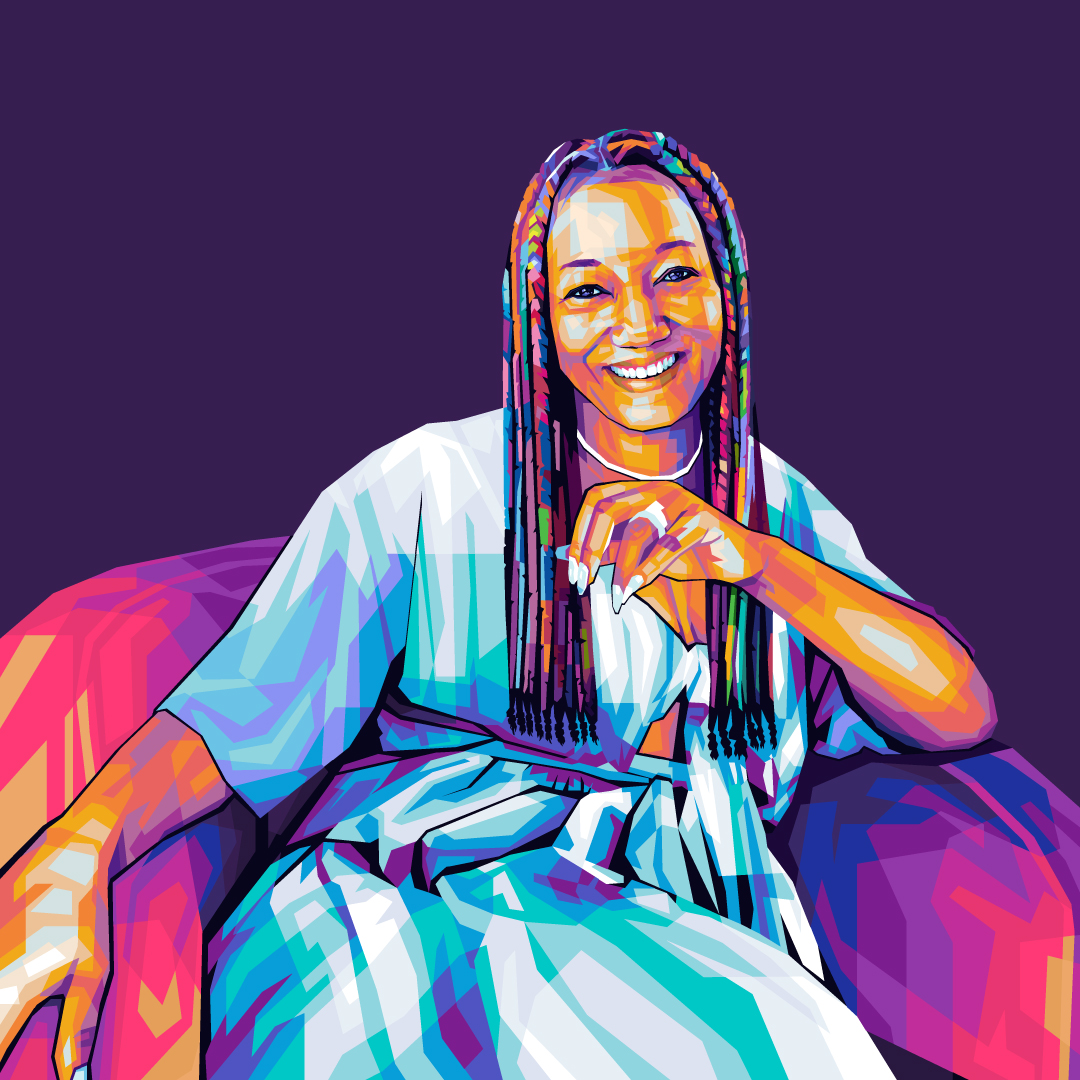
Askia Underwood is the first-ever U.S. Business Director of the award-winning, global digital product development studio Miroma Project Factory (MPF). Askia brings more than 16 years of experience in strategic omnichannel campaign planning, development, and execution to MPF. Her expertise in digital strategy and content monetization lends to campaigns designed to motivate consumers to take action online.
A Certified Metaverse Expert and cultural illuminator, Askia’s focus includes innovating at the intersection of where shoppers connect, consider, and purchase online, and the development of advanced format immersive, experiential, and impactful digital content, products, and brand experiences.
Her past work includes migrating more than twenty-five million dollars from traditional advertising mediums to higher-performing digital, social, and search platforms working with clients in the consumer, automotive, retail, sports, pet product, beauty, and non-profit categories. Priding herself on actively driving consumer behavior, Askia is often tapped to curate experiential brand moments that motivate consumers to act (watch, share, buy or donate) online.
Expertise: Digital Strategy and Content Monetization