


Economic practices innovated by enslaved Africans to sustain their lives on plantations provided the first iterations of Black entrepreneurship in the United States.
On President James Madison’s plantation, Montpelier, and many other plantations, chickens were almost exclusively raised, owned, and sold by slaves. And while the history of Black entrepreneurship can be traced back to the late 1700s when free and enslaved Africans opened small enterprises like barbershops and tobacco stands, the numbers of Black-owners increased rapidly post-emancipation, and then grew again in the early 20th century, despite catastrophic setbacks including the Tulsa Massacre.
We have work to do
The opportunity to succeed at ownership requires capital. To fully achieve the American dream, a person must have ownership of their experience both personally and entrepreneurial and requires more than sacrifice, risk-taking, and hard work. Unfortunately, in 2020 when Black-owned businesses in America needed financial assistance the most, the U.S. government failed them. According to the Small Business Administration:
“Black-owned businesses received less than 2% of PPP loans while white-owned businesses received 83%.”
In fact, Fintech helped Black-owned small businesses get access to PPP loans during the pandemic more than U.S. government-insured banks did. Yes, you read that right. Where a metaverse will immerse users in an environment designed to deliver a connected experience, Blockchain, the technology behind crypto, NFTs, Web3, et al democratizes access to economic opportunity.
As an entrepreneur or marketer, you can start actioning for the future or not. Web3 is here and just like Black slaves made a way to the enterprise, Black business owners and their radical aspirations will do the same.
Futures so bright
In 2019, the year prior to the pandemic, the median net worth of a typical white household, $188,200, was 7.8 times greater than that of a typical Black household, $24,100 (Bhutta et al., 2020). Reducing this number means closing the wealth gap. This is the metric I will watch closely over the next 5 years as I work toward my personal goal of spending my Black dollars on 100 Black Businesses over the next two years.
Like other cultures, Black people start the New Year with rituals around luck and fortune for the year to come. Every August 1st from now on, I’ll be doing 3 things in this order 1) starting my birthday month championing Black Founders (instead of myself) forward 2) eating greens, black-eyed peas, and cornbread in the name of Black entrepreneurship, and 3) shopping Black-owned everything at a rate of no less than 7.8x. I hope you do the same.
—–
My role empowers me to accelerate the trajectory of BIPOC storytelling and close the gap between clients and culture. Hit me up to discuss how culture can be leveraged and implemented into your content monetization strategy.
I acknowledge the Traditional Custodians of the lands on which I work and extend my deep respects.
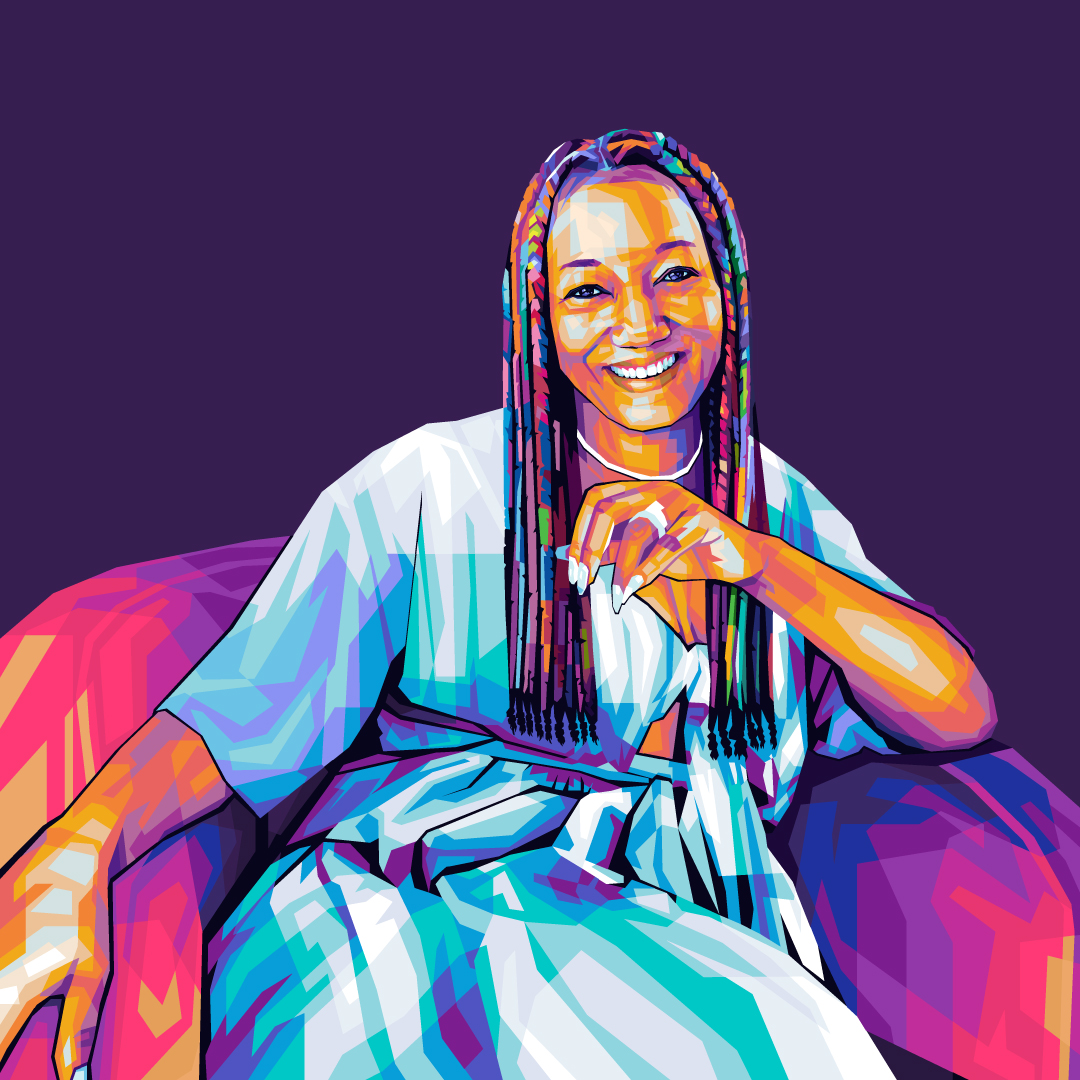
Askia Underwood is the first-ever U.S. Business Director of the award-winning, global digital product development studio Miroma Project Factory (MPF). Askia brings more than 16 years of experience in strategic omnichannel campaign planning, development, and execution to MPF. Her expertise in digital strategy and content monetization lends to campaigns designed to motivate consumers to take action online.
A Certified Metaverse Expert and cultural illuminator, Askia’s focus includes innovating at the intersection of where shoppers connect, consider, and purchase online, and the development of advanced format immersive, experiential, and impactful digital content, products, and brand experiences.
Her past work includes migrating more than twenty-five million dollars from traditional advertising mediums to higher-performing digital, social, and search platforms working with clients in the consumer, automotive, retail, sports, pet product, beauty, and non-profit categories. Priding herself on actively driving consumer behavior, Askia is often tapped to curate experiential brand moments that motivate consumers to act (watch, share, buy or donate) online.
Expertise: Digital Strategy and Content Monetization